
.svg)
Judicial vetting – THREE years of results supporting justice reform

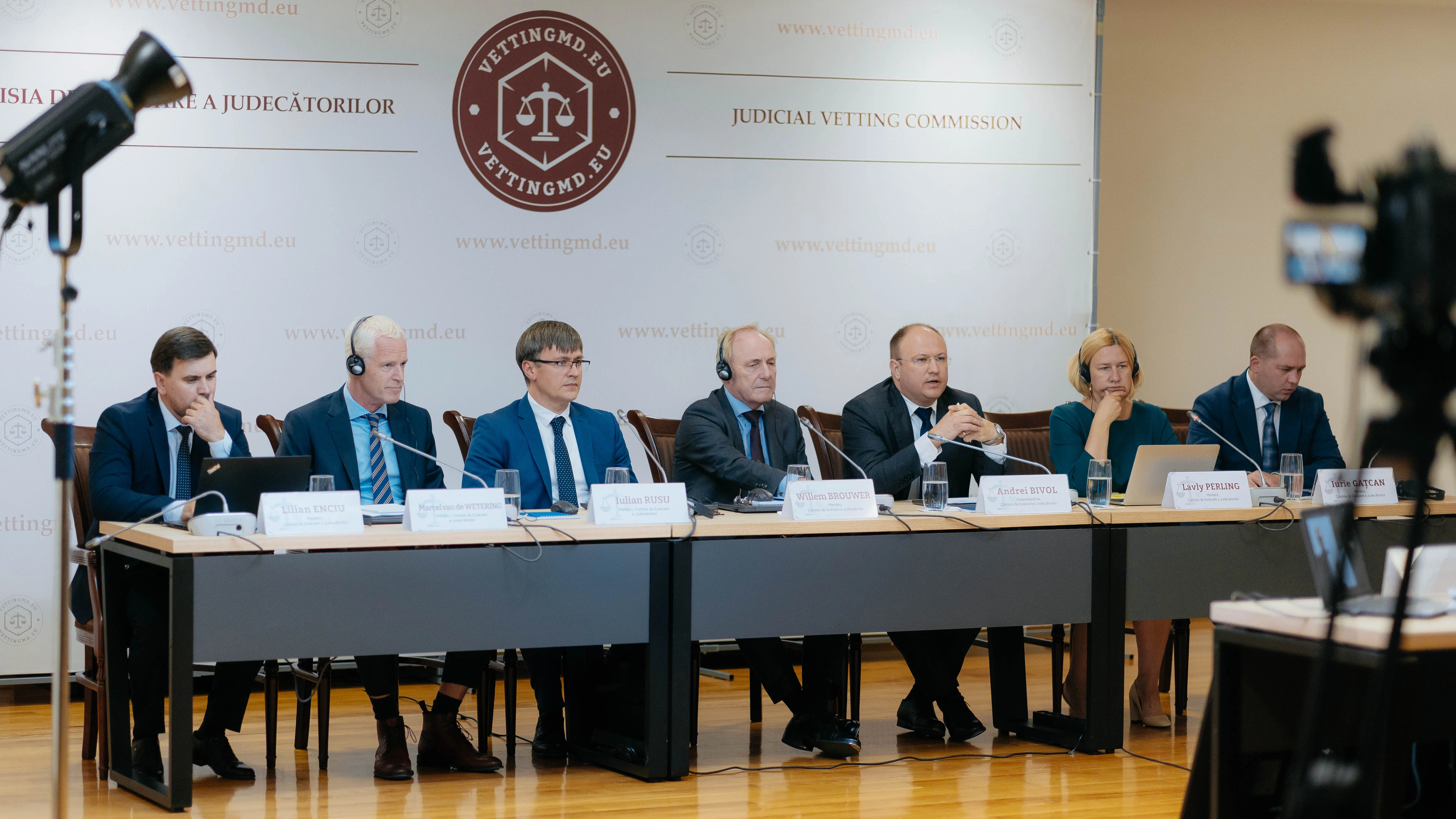
On 15 June 2026, the Judicial Vetting Commission marks three years of activity. The Commission was established to assess the ethical and financial integrity of judges and candidates for certain positions within the judiciary. During this period, it has become an important contributor to justice sector reform, helping strengthen the integrity and accountability of the judicial system and enhance public trust in justice.
The Commission’s mandate initially focused on the evaluation of judges and candidates for the Supreme Court of Justice. It was subsequently expanded to cover additional categories of individuals within the judiciary. Over the past three years, the Commission has received 203 individuals for evaluation from the judiciary’s principal courts, institutions, and self-governance bodies.
Of the 203 individuals subject to evaluation, 179 procedures have been completed. Following evaluations and re-evaluations, 69 subjects passed; 40 subjects failed, and 70 resigned or withdrew from competitions during the evaluation procedure. At present, 20 evaluations remain ongoing.
Over the last three years, the external evaluation process for judges has shown a positive trend in pass rates, increasing from 50% in 2023 to 64% in 2026. The Commission’s evaluations have identified numerous cases demonstrating compliance with the integrity criteria established under the external evaluation framework, while also revealing situations that raised serious concerns regarding adherence to those standards. The Commission identified cases involving inexplicable wealth, conflicts of interest, breaches of professional ethics, decisions issued contrary to the case law of the European Court of Human Rights (ECtHR), and other circumstances incompatible with the integrity requirements associated with judicial office.
Throughout its work, the Commission has carried out its mandate in a complex environment marked by successive legislative amendments, an expansion of its membership from six to nine members, changes in the Commission's composition resulting from the expiry of members' mandates and the appointment of new members, the gradual extension of its mandate and operational timelines, as well as significant institutional challenges.
These results were also made possible through the consistent support of international partners. The European Union, the Government of the Kingdom of the Netherlands, and CILC (as implementing partner) contributed to strengthening the Commission’s administrative and operational capacities and ensuring the resources necessary for the effective implementation of its mandate. This support was provided in full respect of the Commission’s independence and legal mandate.
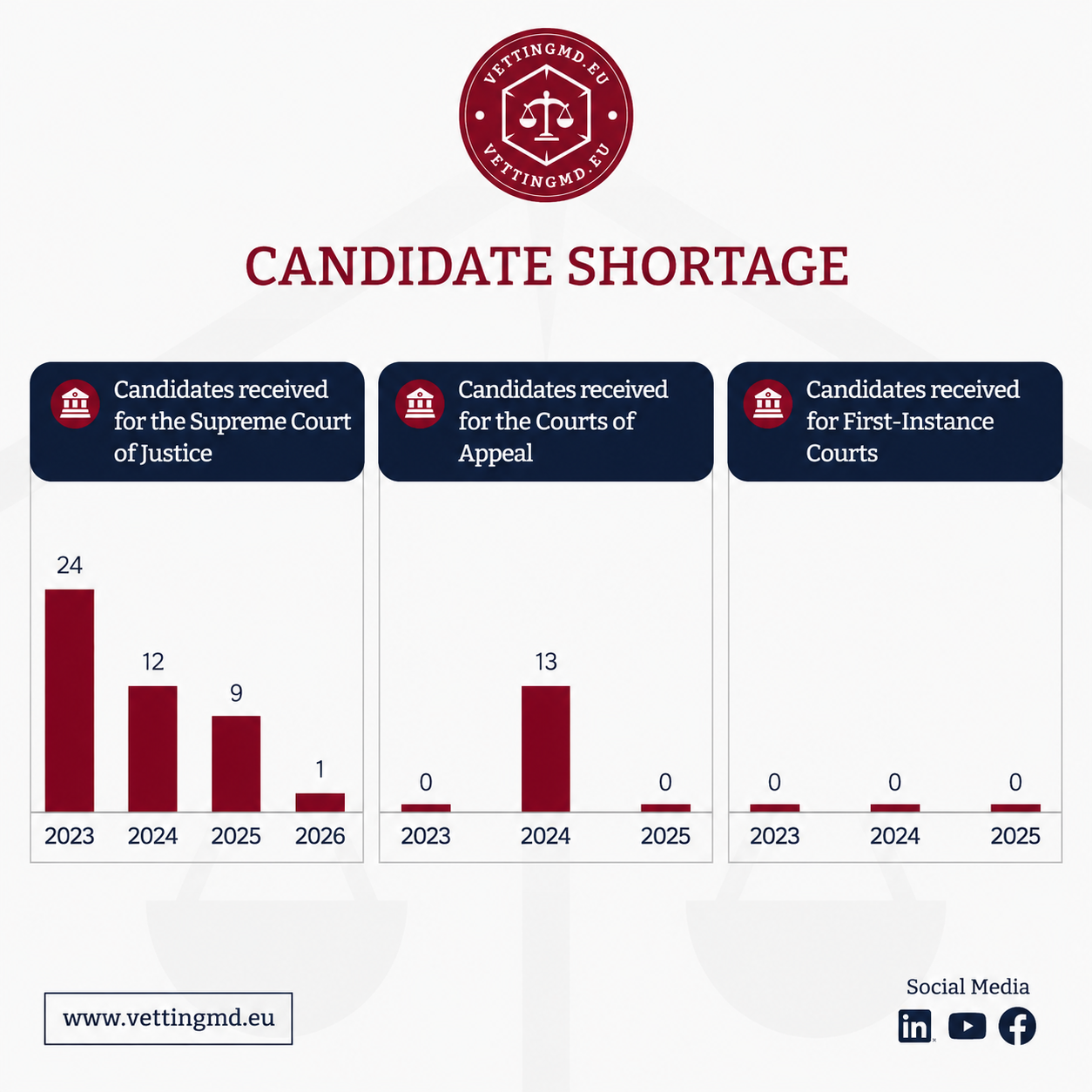
Additional details are available in the Report and the attached infographics.
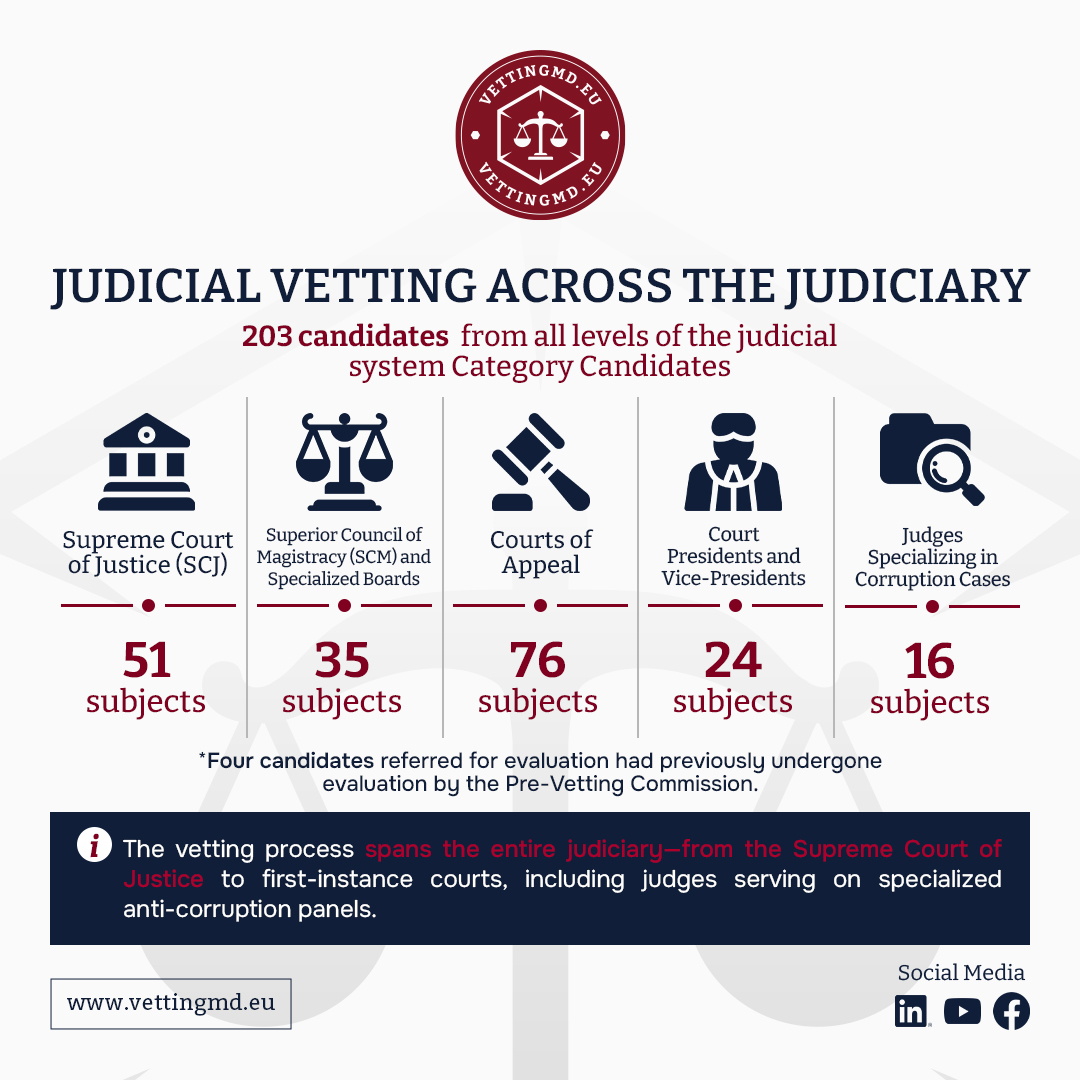
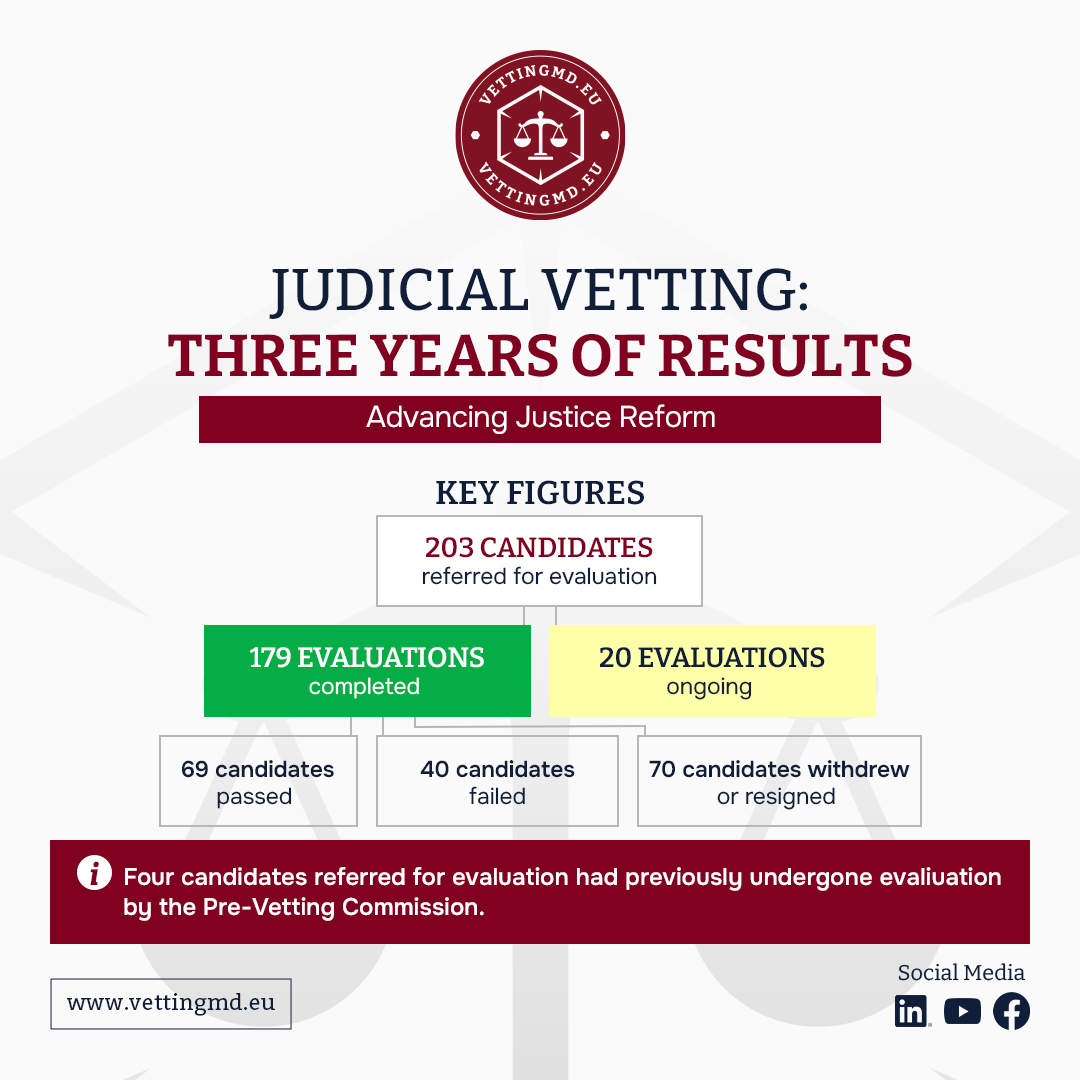
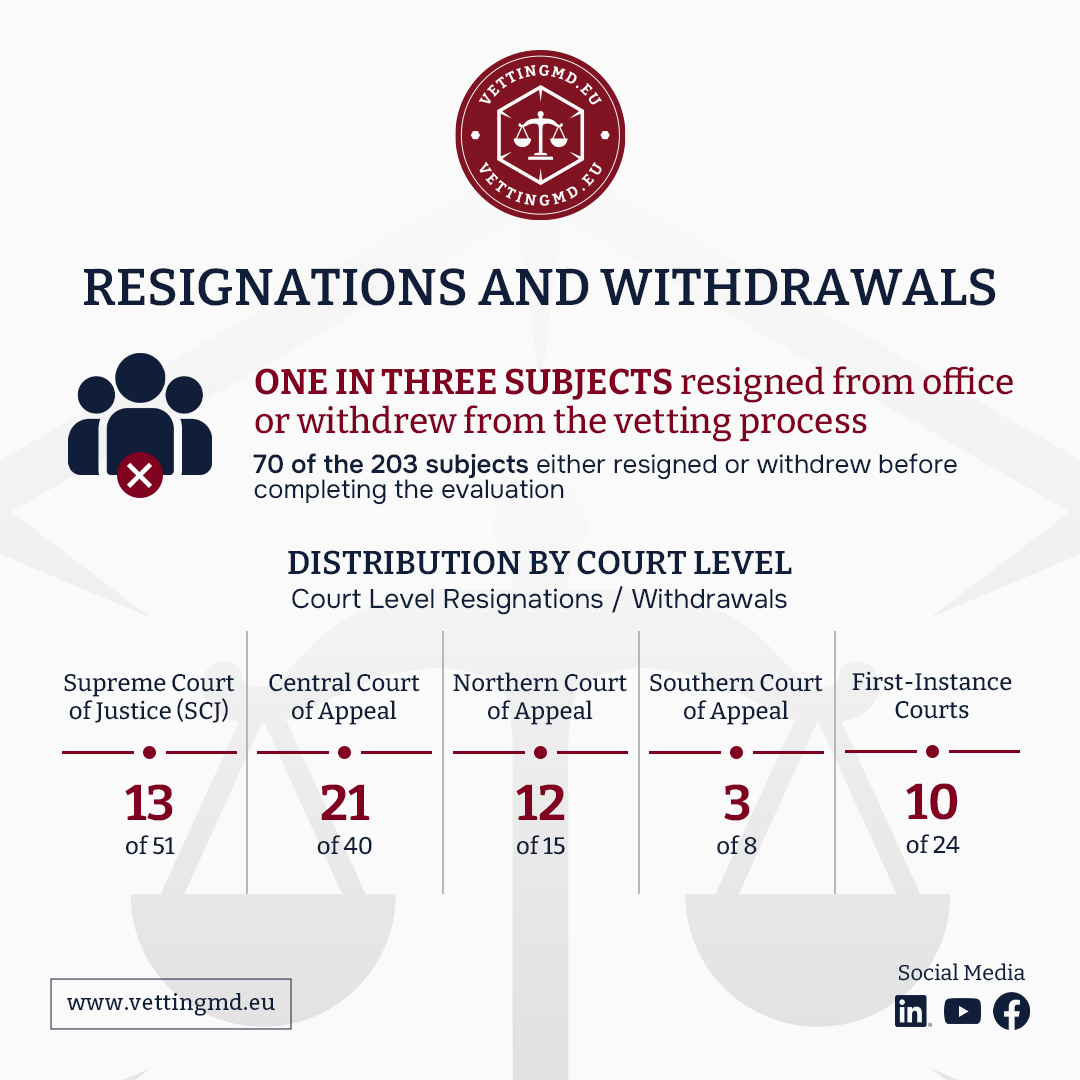
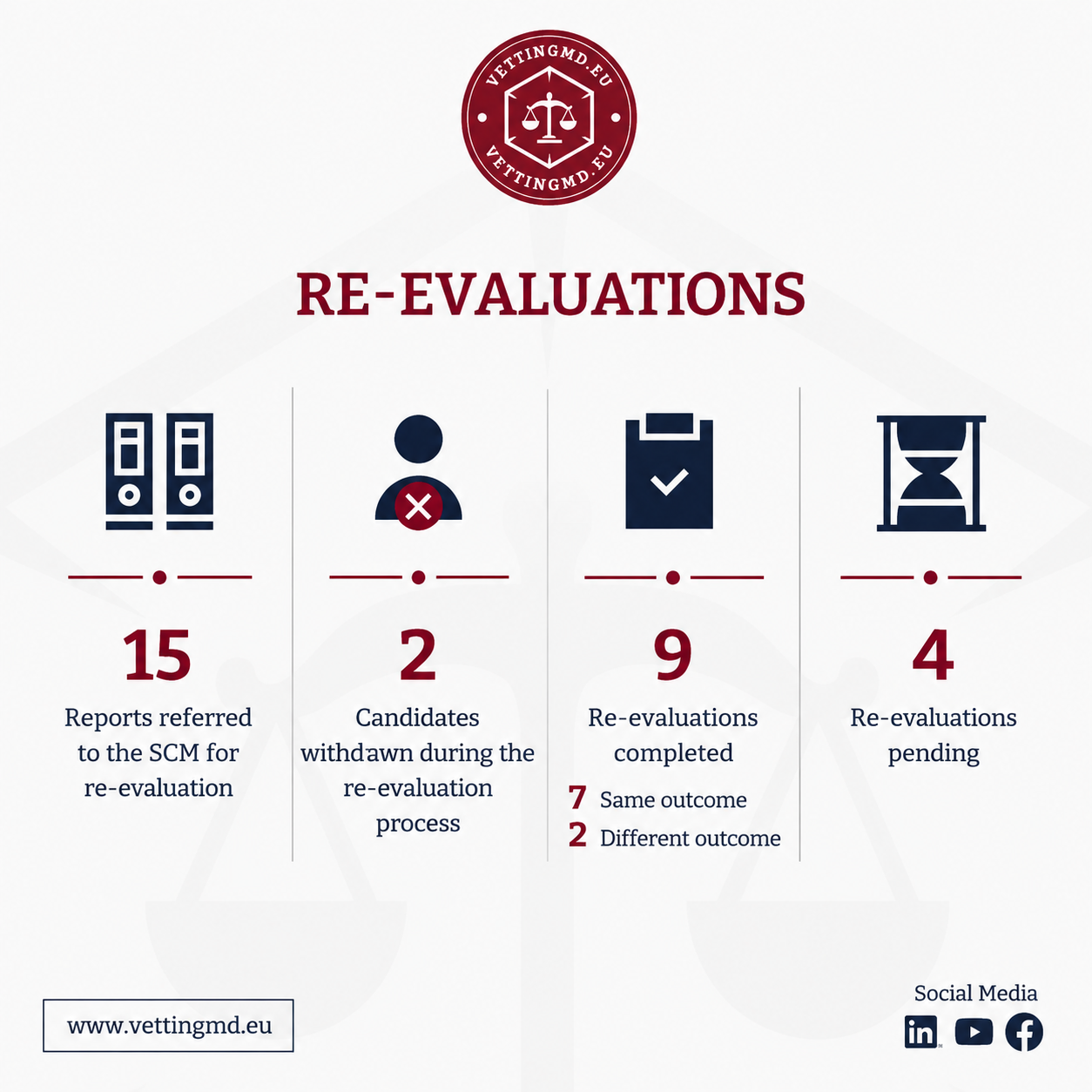



.webp)



.webp)




































.webp)



















.webp)


.webp)

